Every clever trick on the internet, graded.
The homestead corner of the internet is full of wonderful-looking ideas. Some of them are quietly brilliant. Some of them work only if you know the one thing the video left out. And some of them have been tested and simply do not work. Nobody ever says which is which — so that's what this is.
36 problems indexed in plain language, because nobody searches for “olla irrigation” — they search for my garden dries out while I'm at work. Browse them all →
Showing 49 of 49
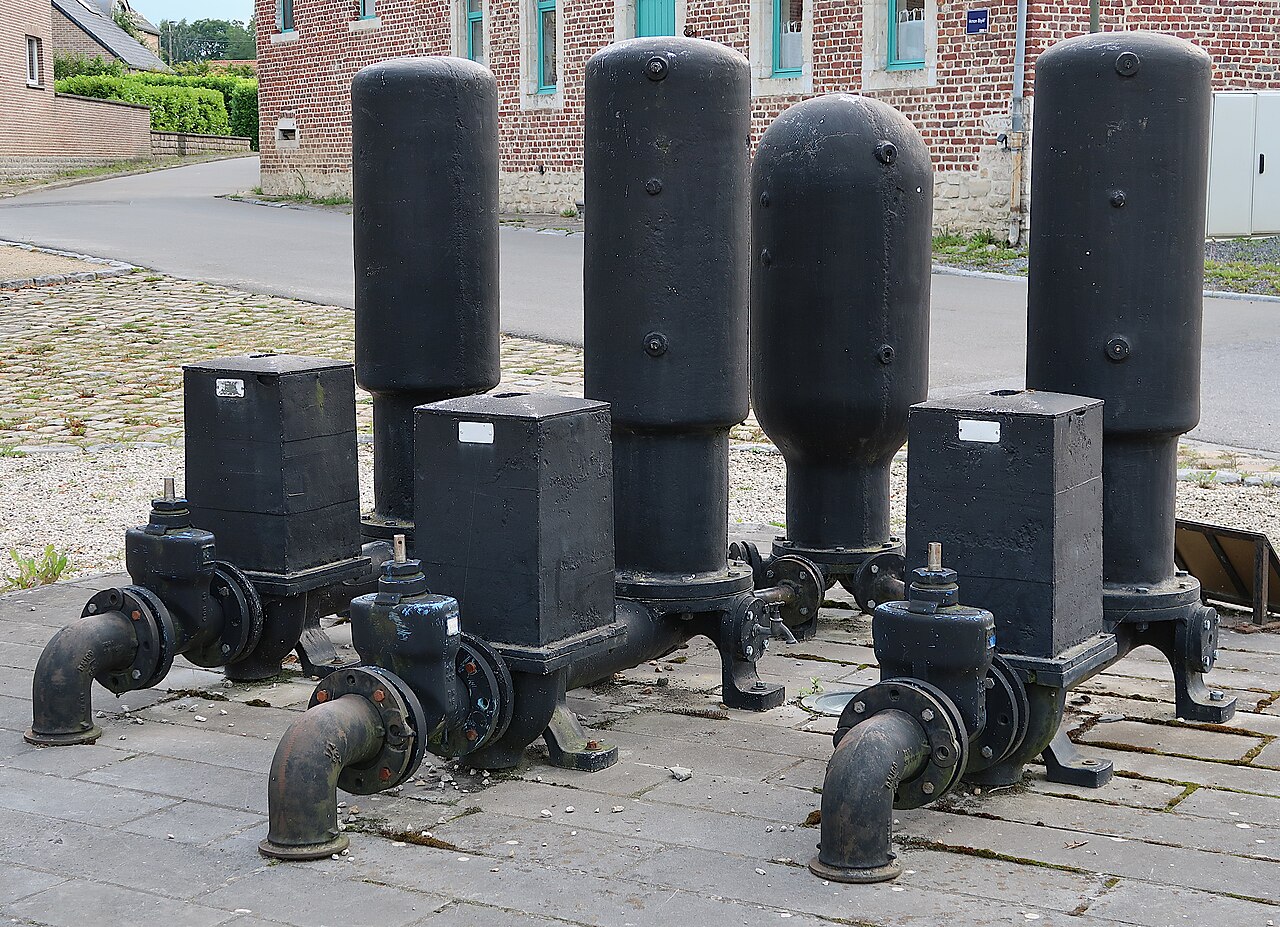
The hydraulic ram pump
A pump with two moving parts that runs on falling water, forever, with no electricity at all.
The $12 freezer alarm
The cheapest build on this site, and the one that pays for everything else the first time it fires.
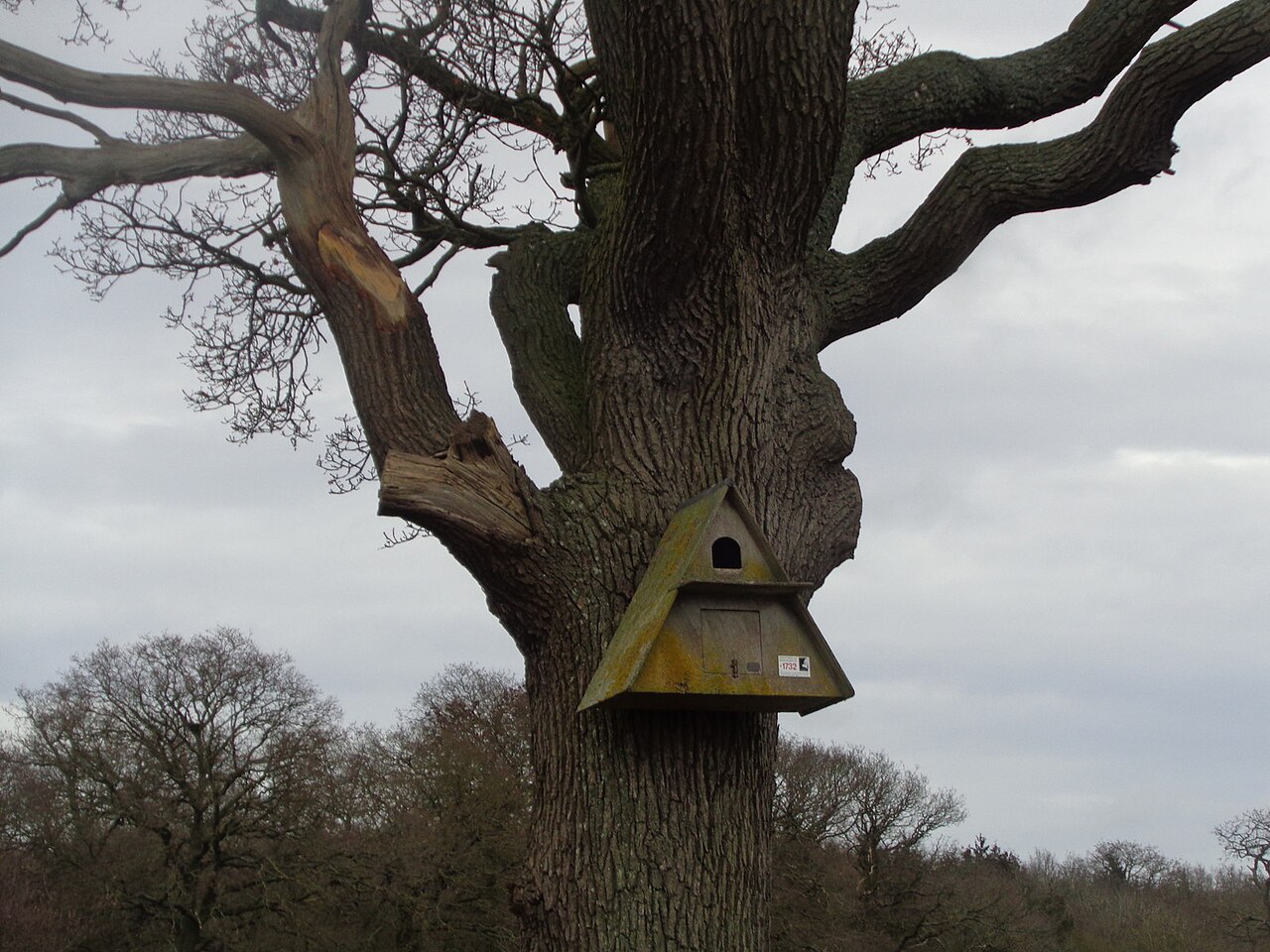
The barn owl box
Biology as automation. No power, no maintenance, no subscription, and it hunts all night.

Olla irrigation
Drip irrigation, invented two thousand years before the drip line, with nothing to clog.

The hay moisture probe
The oldest fire on the frontier, prevented by a stick with a meter on it.
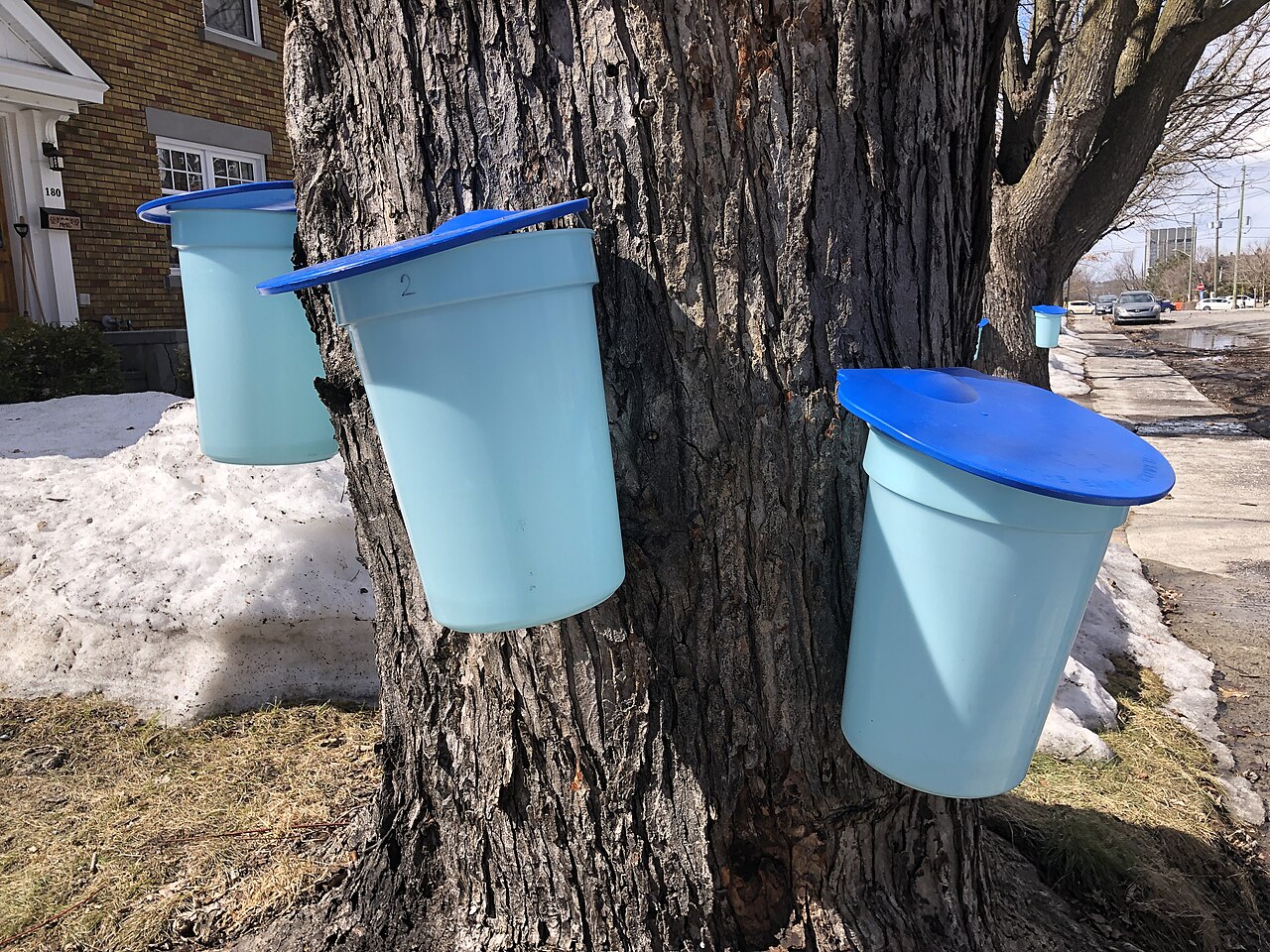
Maple sap on sensors
A vacuum gauge and two float switches turn a season of driving around into a season of boiling.
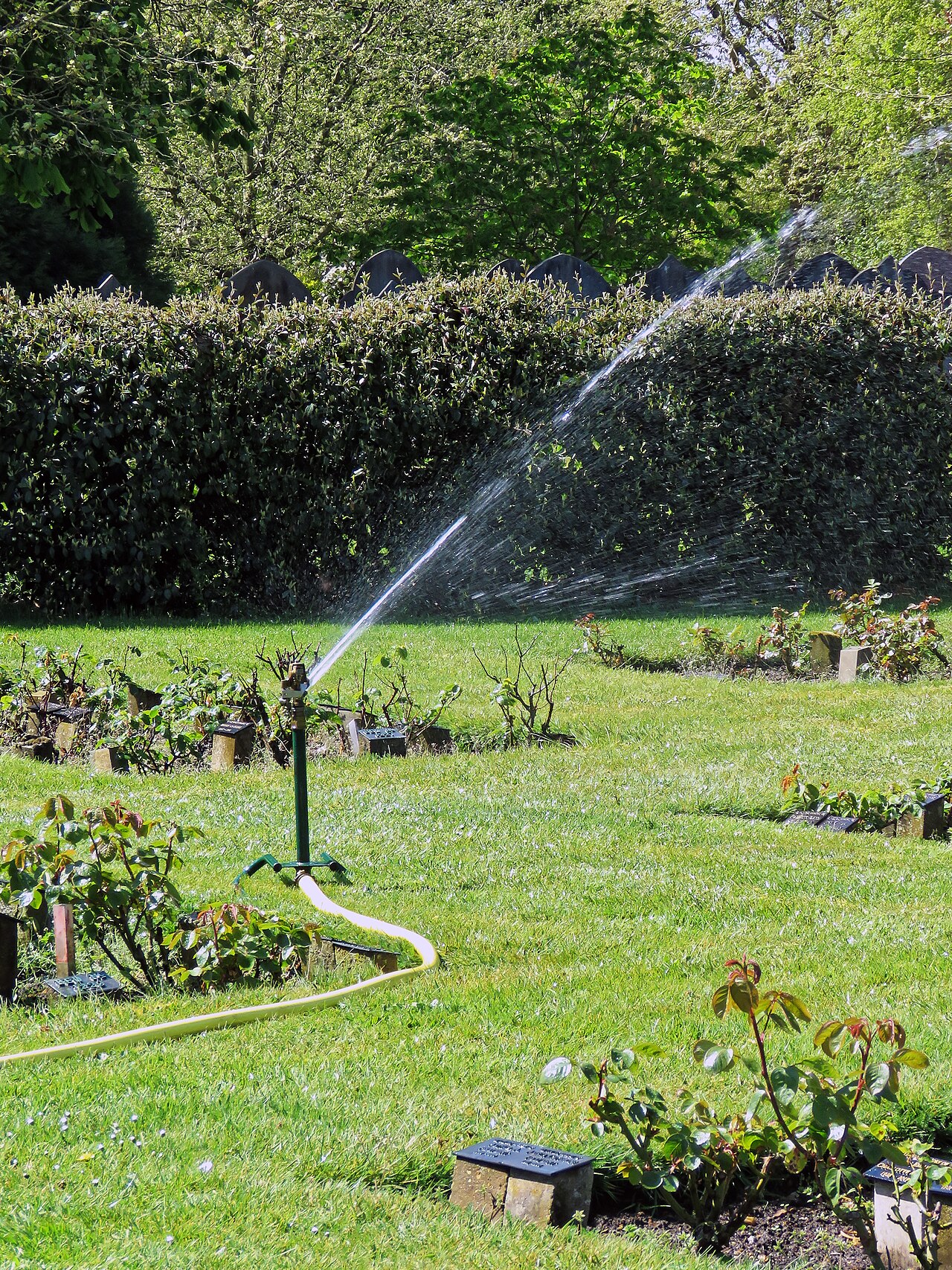
The motion-activated sprinkler
Startle plus water. The one on this shelf that actually works.
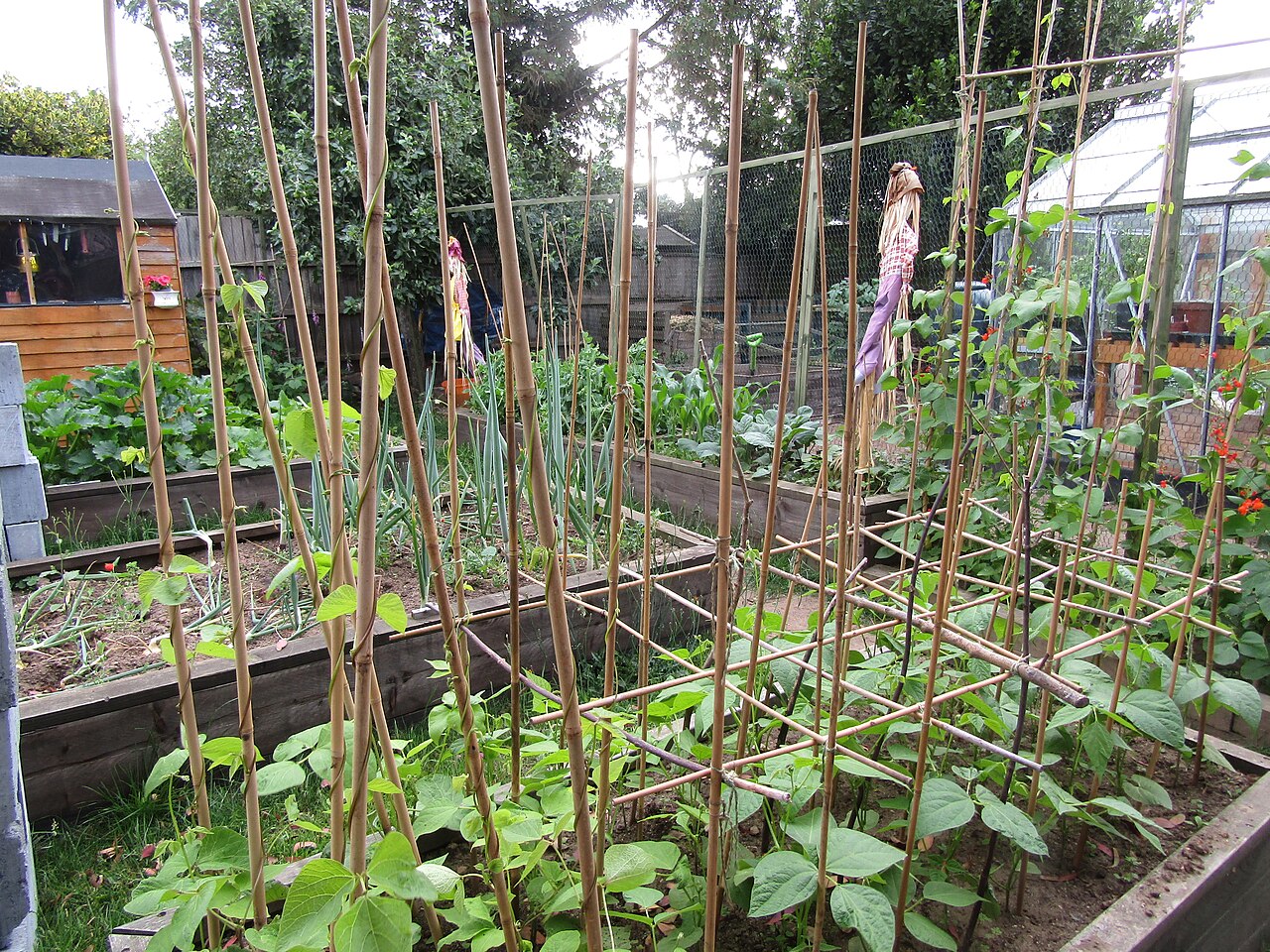
Wicking beds
A raised bed with a reservoir underneath. Watering drops to a fill every week or two.
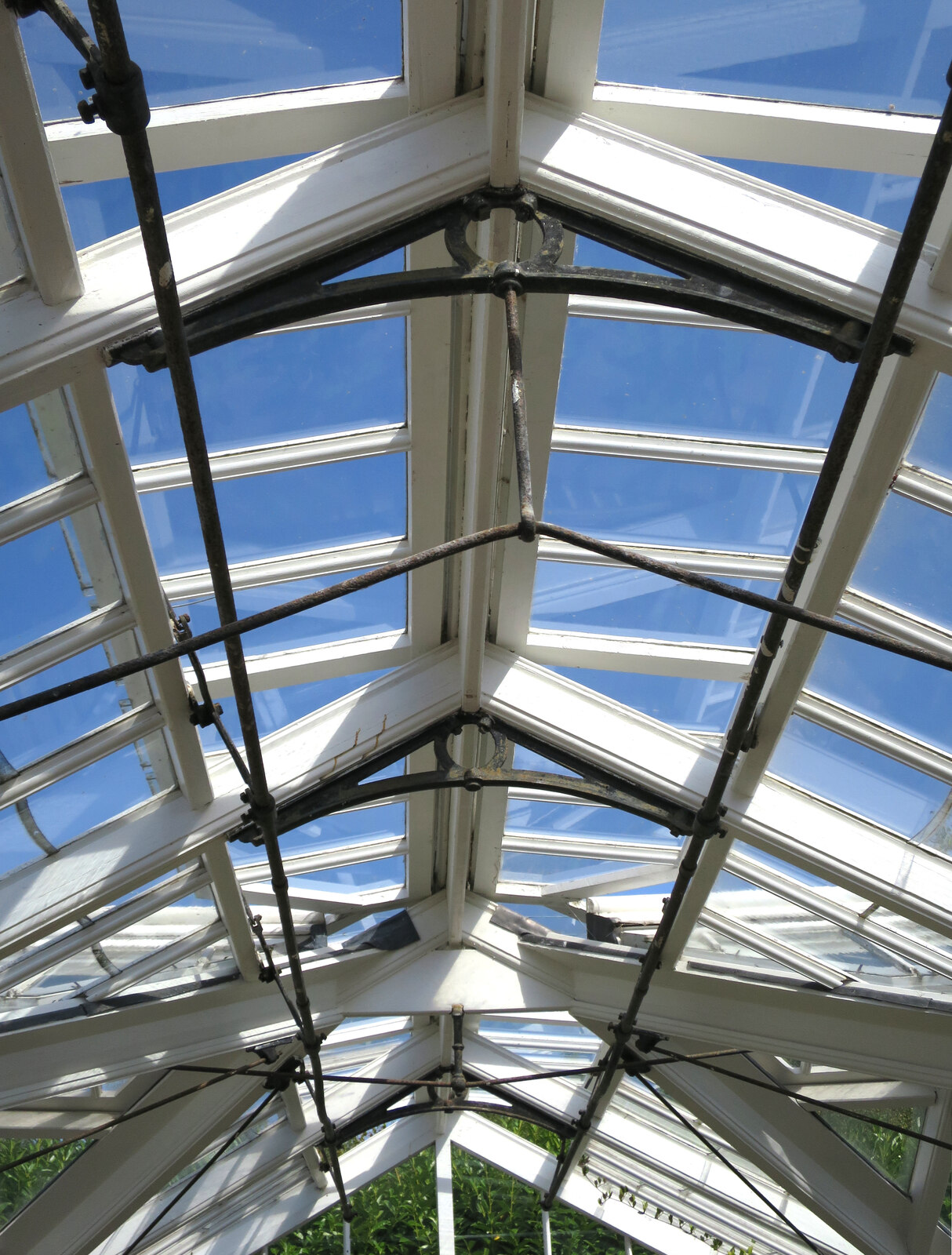
The wax-cylinder greenhouse vent opener
Automation with no electricity, no sensor, no code, and no failure mode worth the name.
The first-flush diverter
The cheapest water-quality improvement in rainwater catchment, and it has no moving parts worth mentioning.
Mylar bags and oxygen absorbers
The boring, well-documented way to put grain away for twenty years.
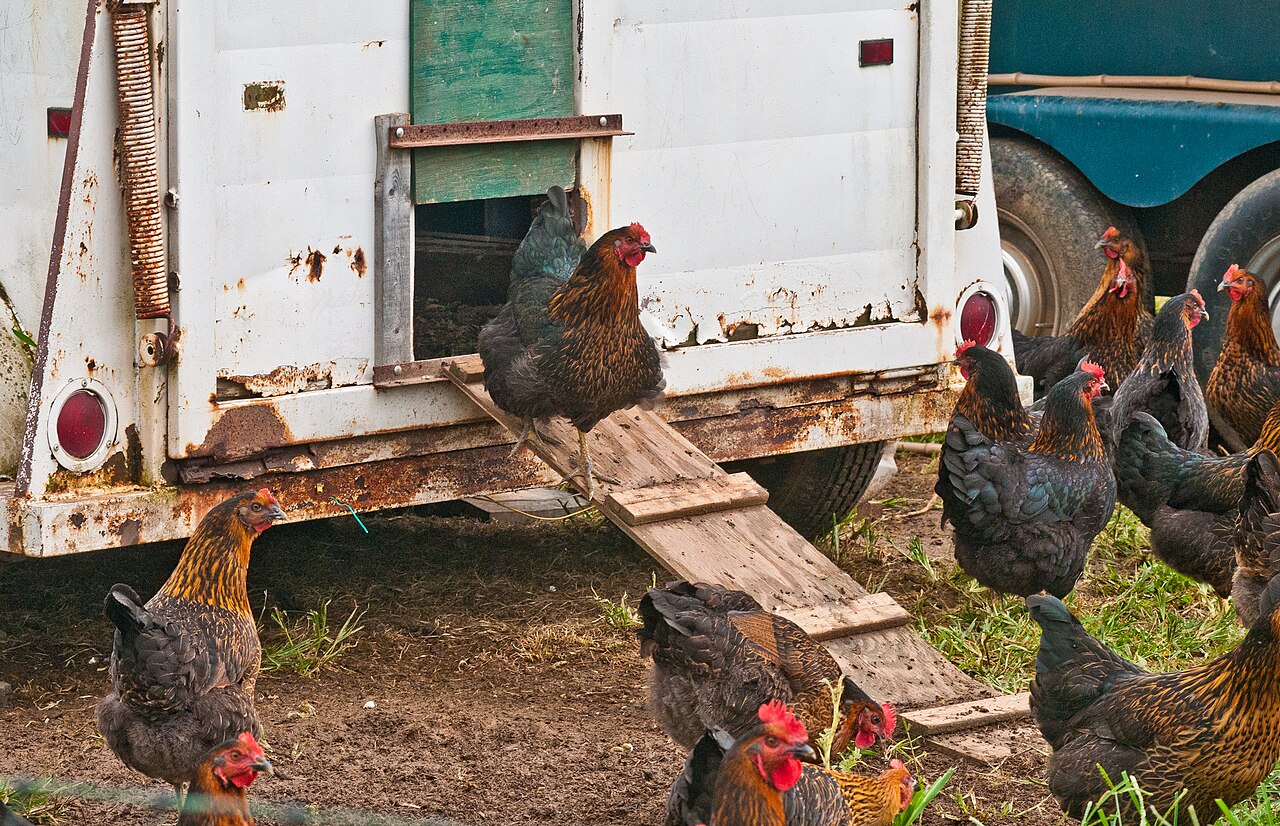
The chicken tractor
A bottomless coop you drag a few feet a day. The birds get fresh ground, the ground gets fertilized, and nobody shovels anything.
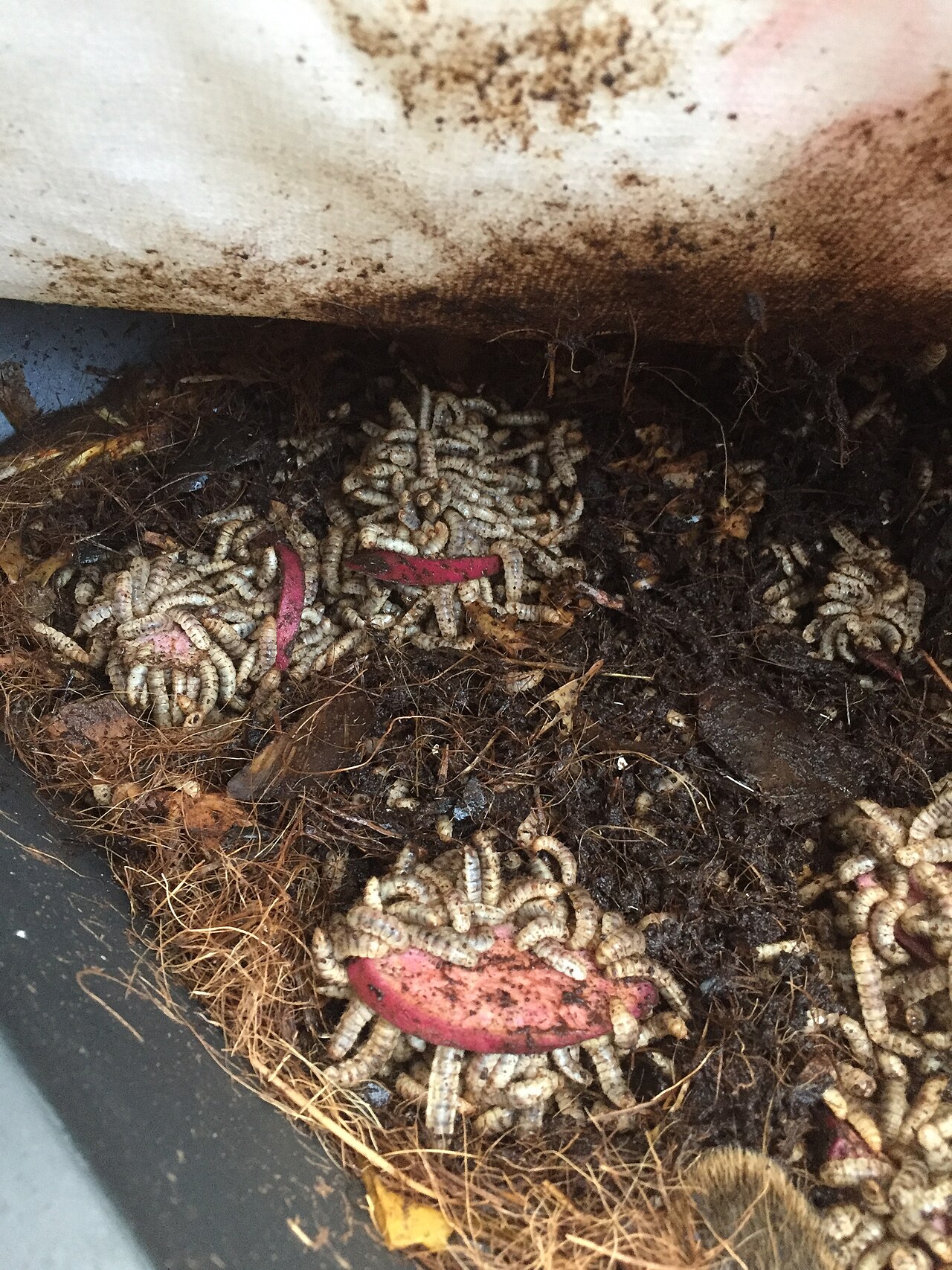
The black soldier fly composter
The larvae harvest themselves by crawling up a ramp into a bucket. It is the cleverest passive mechanism on this site.
Chickens wintered in the greenhouse
One structure doing three jobs — and one gas that decides whether it works.
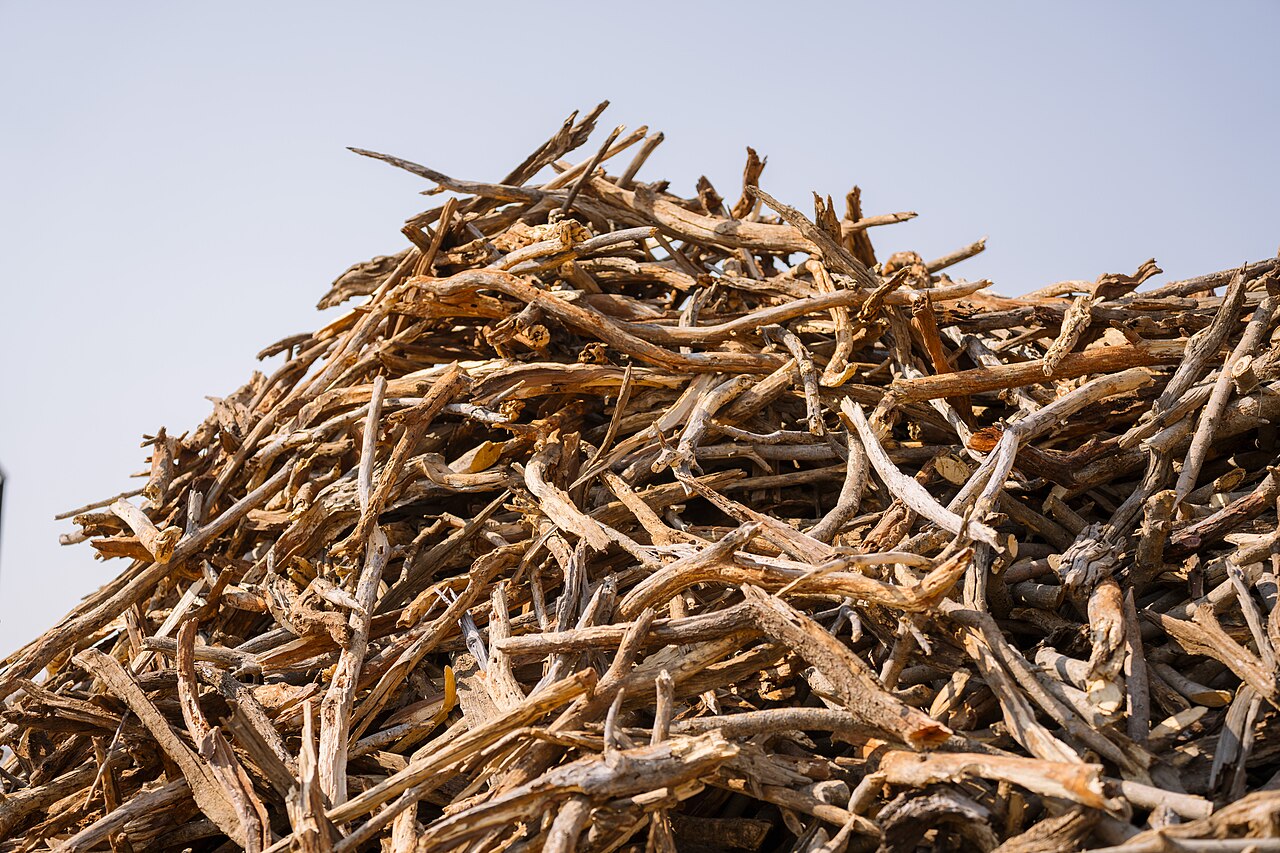
The Jean Pain compost heater
Domestic hot water off a compost pile, for eighteen months. It's real. It's also fifty tons.
The walipini / pit greenhouse
The physics is real and the same as a root cellar's. Drainage decides whether you built a greenhouse or a swimming pool.
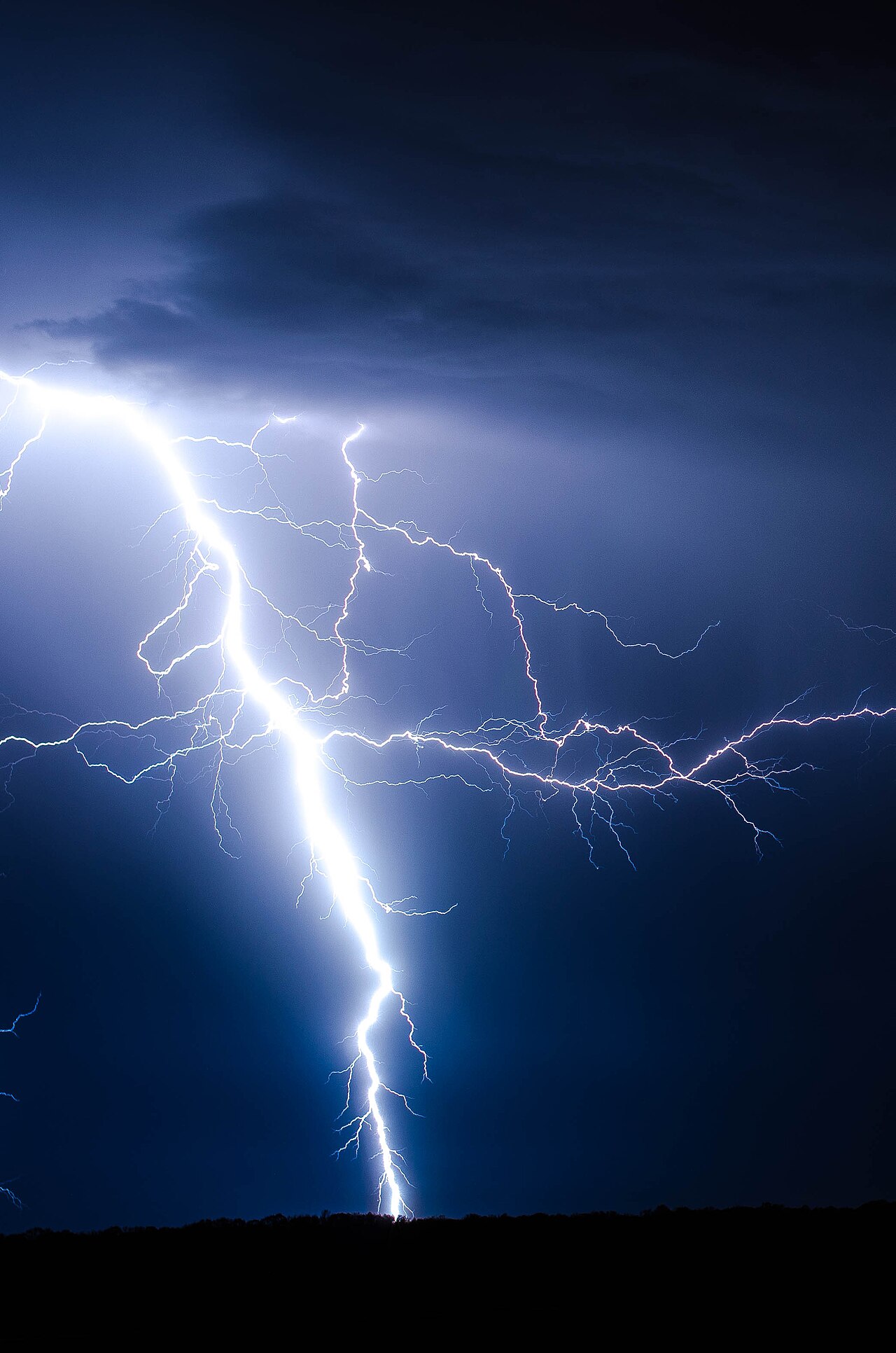
The $25 lightning detector
Minutes of warning before the radar app, and it still works with the internet down.
The smart trap line
Walk the line when there's a reason, not every morning in the dark.
The two-window solar dehydrator
Beautiful, free, and genuinely fine — for fruit. Not for meat, and this is the one where it matters.
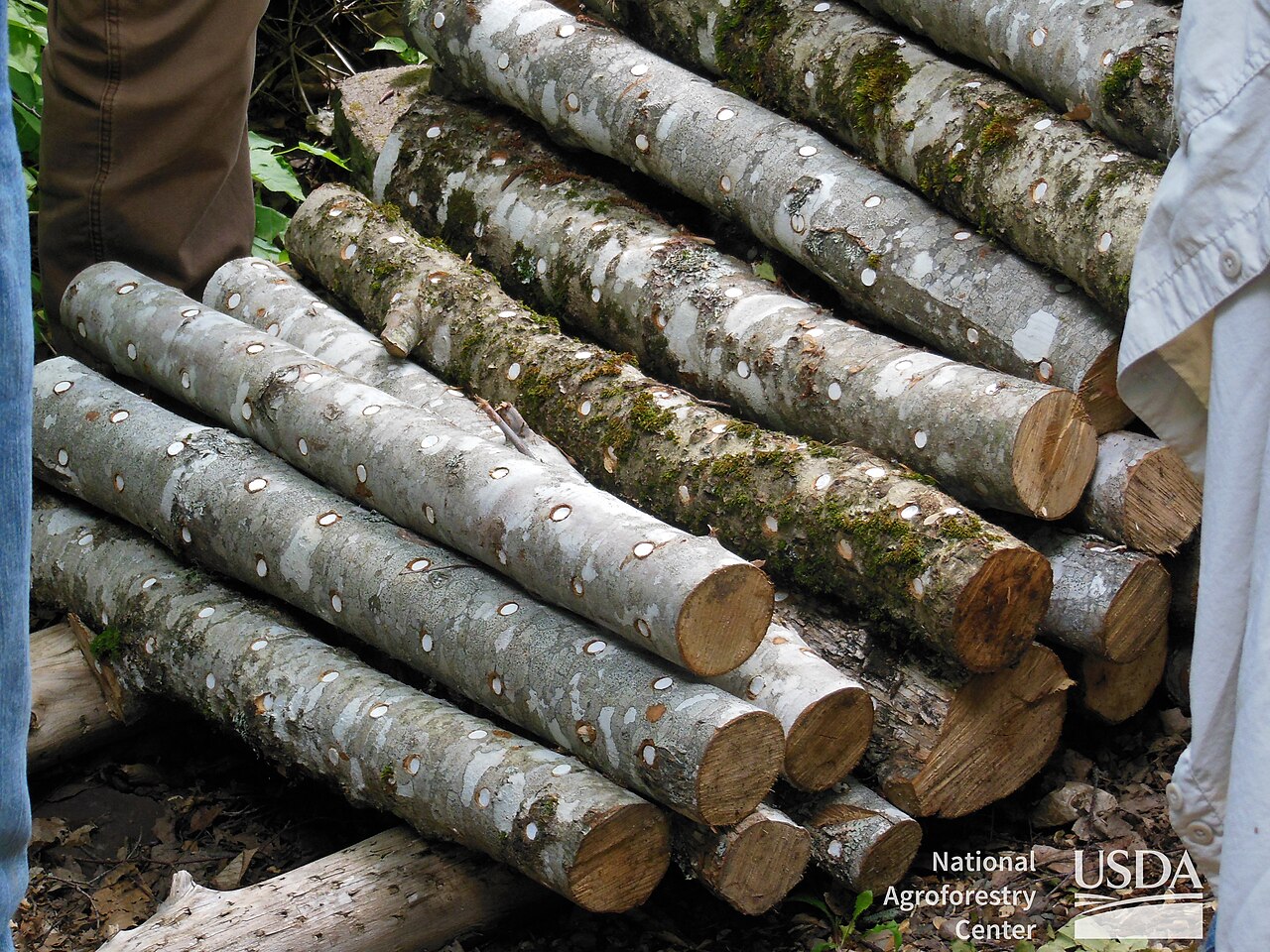
Mushroom logs with a soak timer
Force a flush on the weekend you want it. The catch is that you wait a year first.
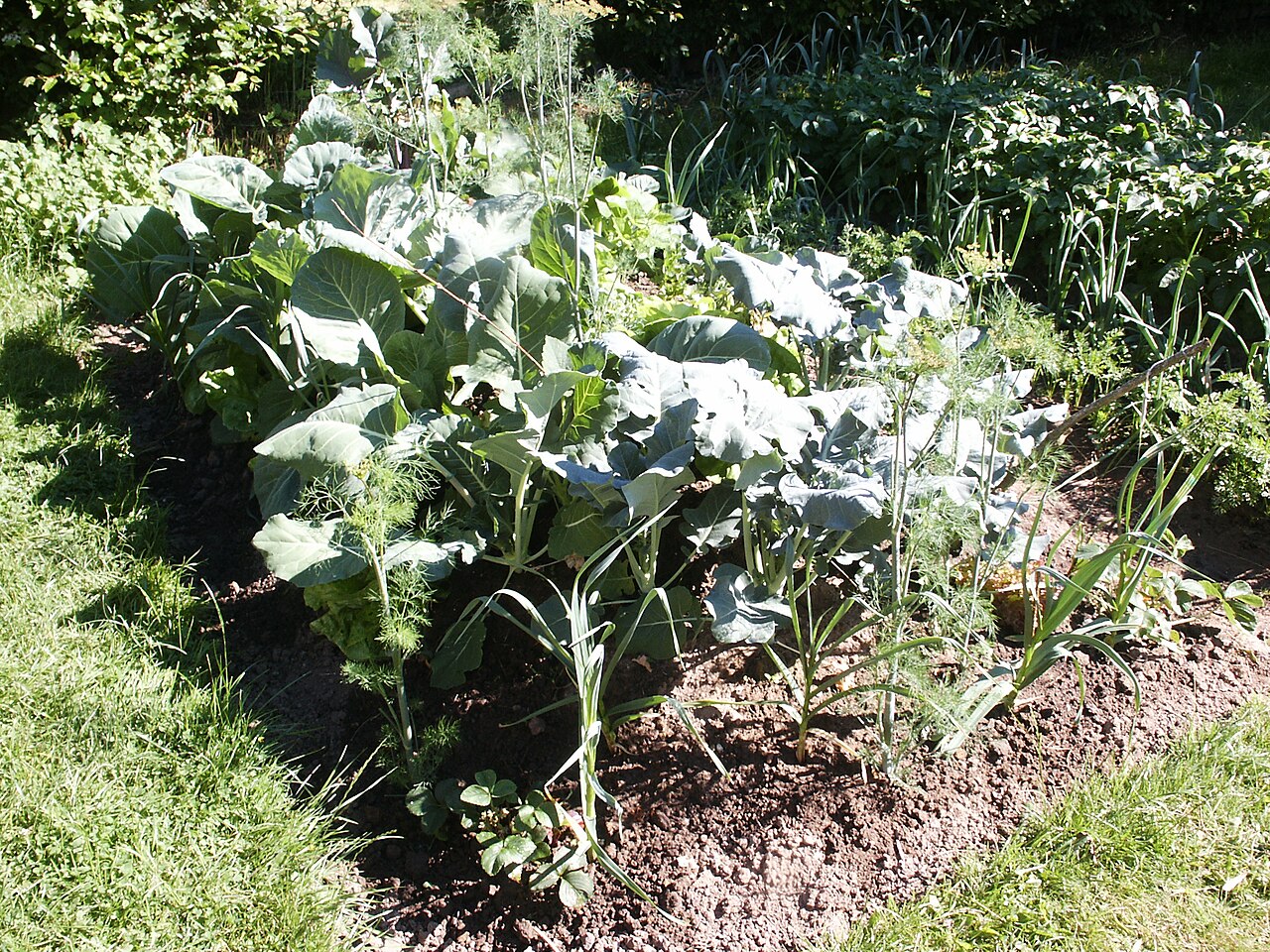
Hügelkultur
A raised bed built on buried wood. It works — starting in about year two.
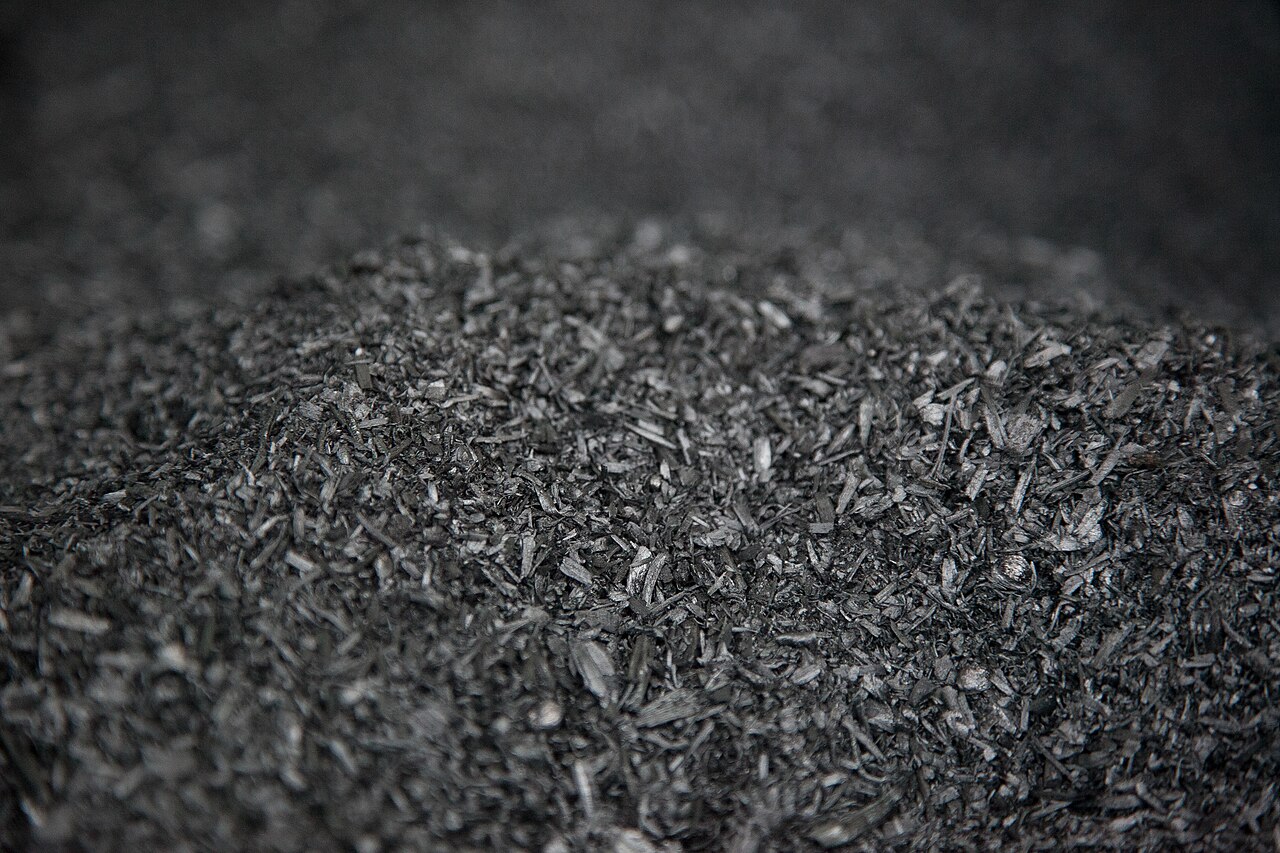
Biochar
Charcoal in the soil, lasting centuries. Put it in raw and it steals a season from you first.
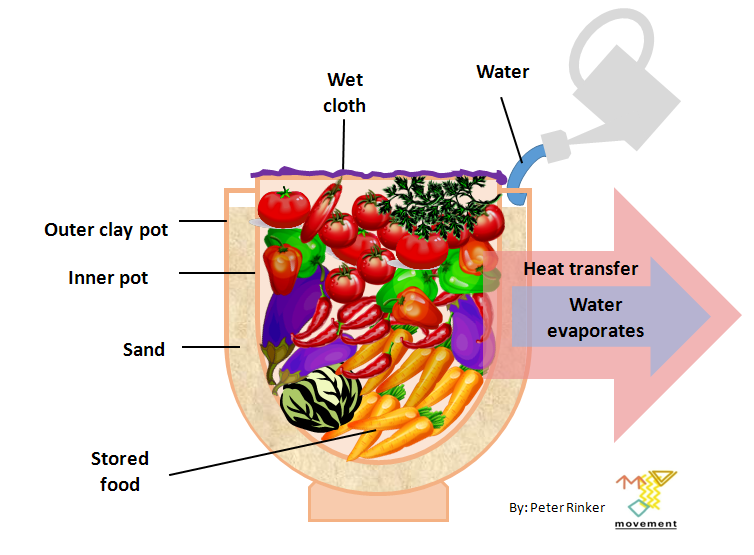
The zeer pot (pot-in-pot cooler)
Real refrigeration with no power — if, and only if, your air is dry.

French marigolds for root-knot nematodes
The famous companion-planting claim is mostly wrong. The one specific version of it is genuinely right.
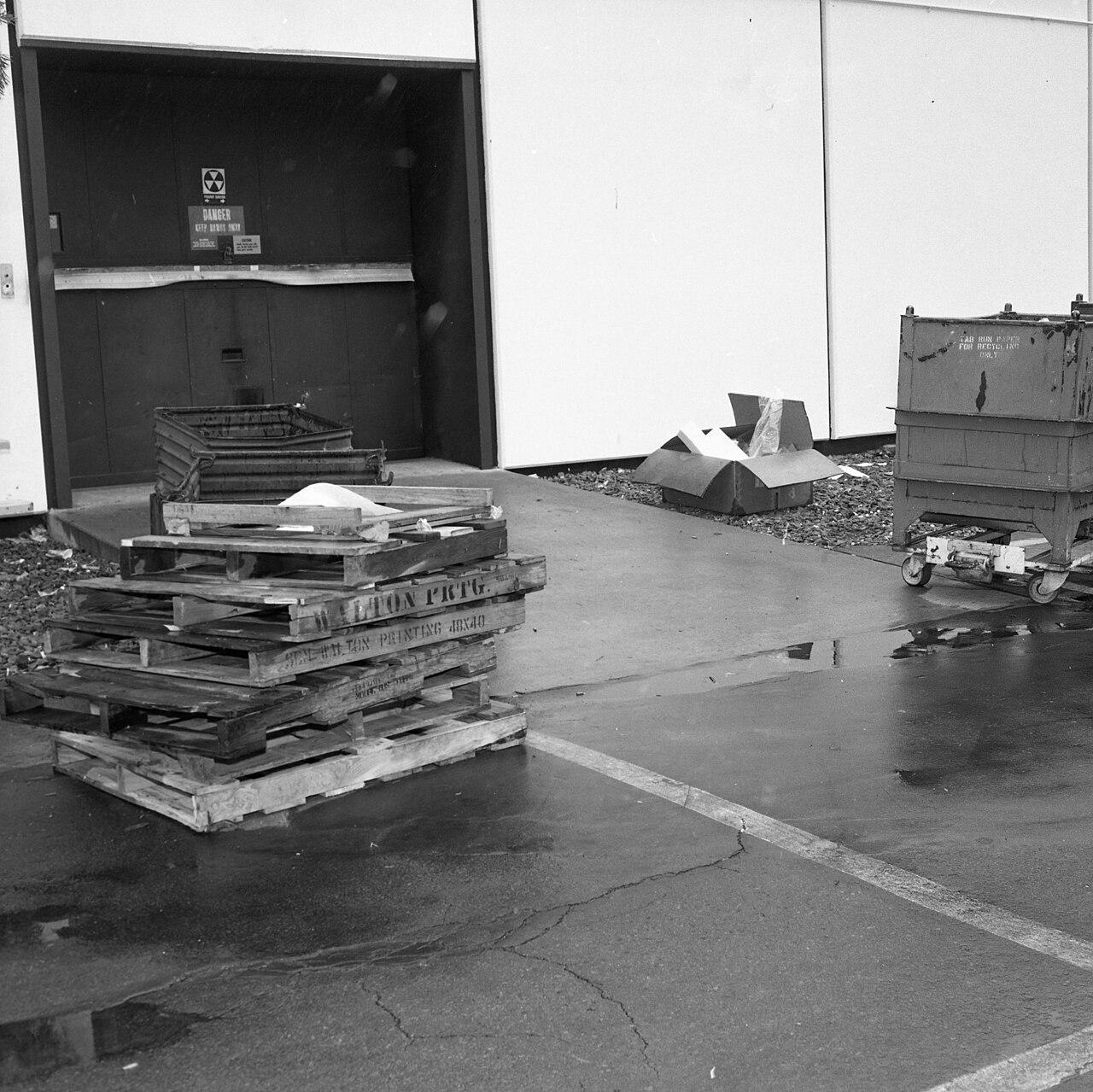
Building with pallet wood
Free hardwood everywhere — and a two-letter stamp that tells you whether to burn it or walk away.

The hive scale
The best instrument in beekeeping, because it reads the one thing you cannot see.
The greenhouse climate battery
Blow the greenhouse's own hot afternoon air underground and get it back at 4 a.m.
The deep litter method
Let the coop floor compost in place all winter. It works, until it doesn't, and the difference is carbon.

Ultrasonic pest repellers
Sold for everything, tested repeatedly, and they do not work.
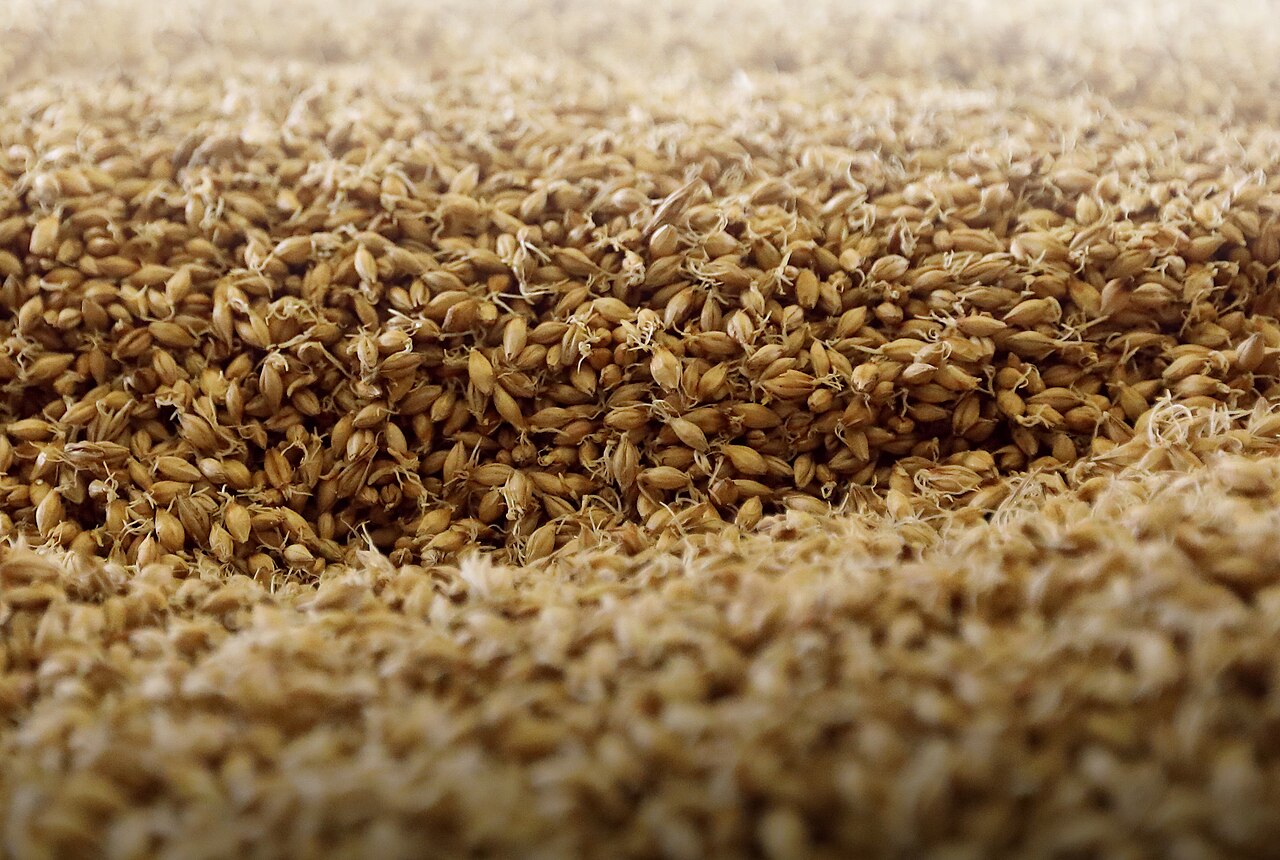
Sprouted fodder as a feed-cost strategy
One pound of barley becomes seven pounds of fodder. It also becomes 17% less dry matter, and that's the number that feeds the animal.
The black-barrel stock tank heater
Thermal mass is real. It is nowhere near enough, and the videos skip the night it matters.
Dowsing for the well
Under controlled testing it performs at chance. The free state database beats it outright.
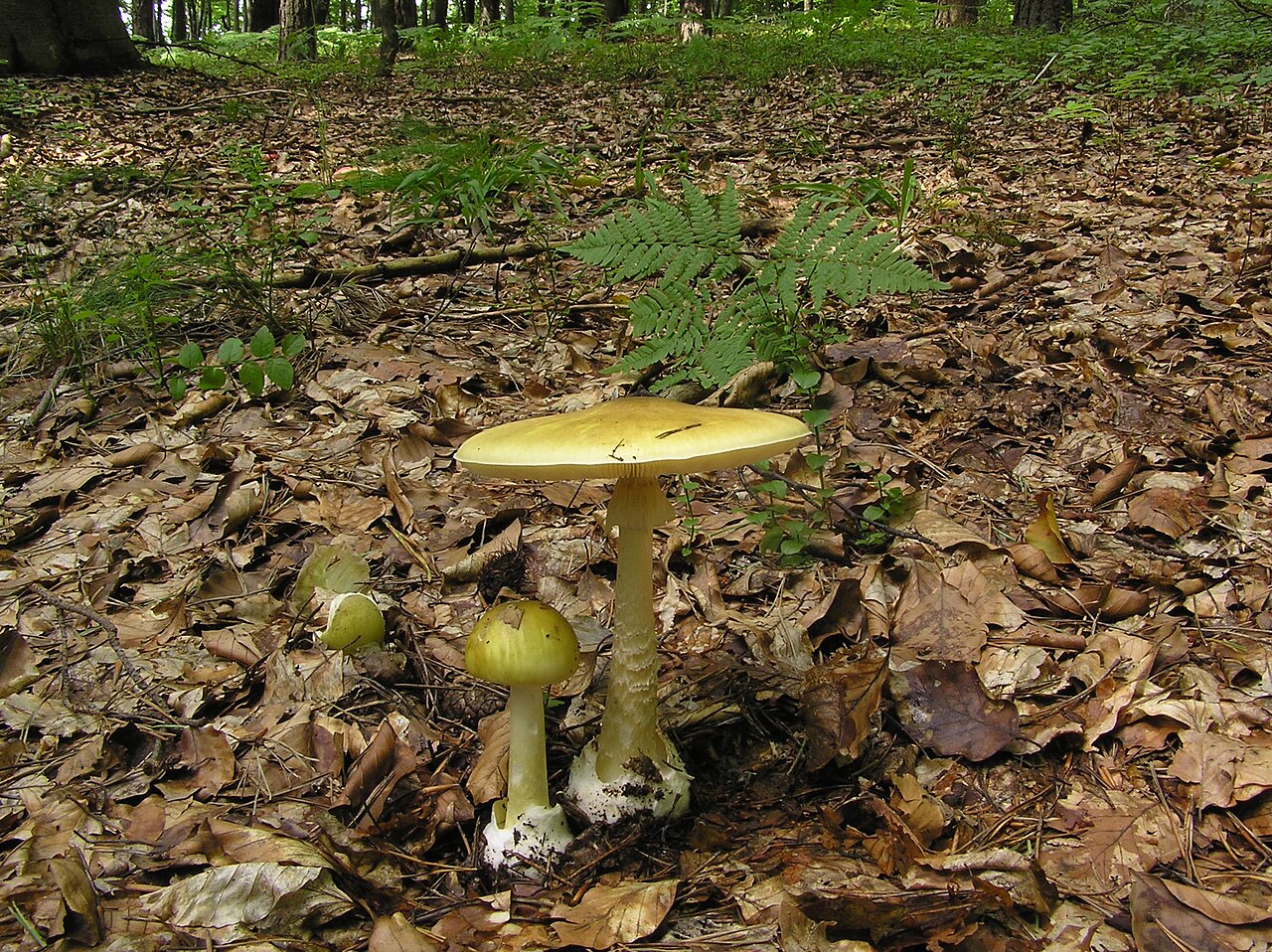
Plant-ID apps as a food-safety tool
A confident label is not a verification. This is the one entry on this site where being wrong can kill you.
Water-retaining gel crystals
Polymer crystals sold to cut watering. Mulch is cheaper, works better, and improves the soil.
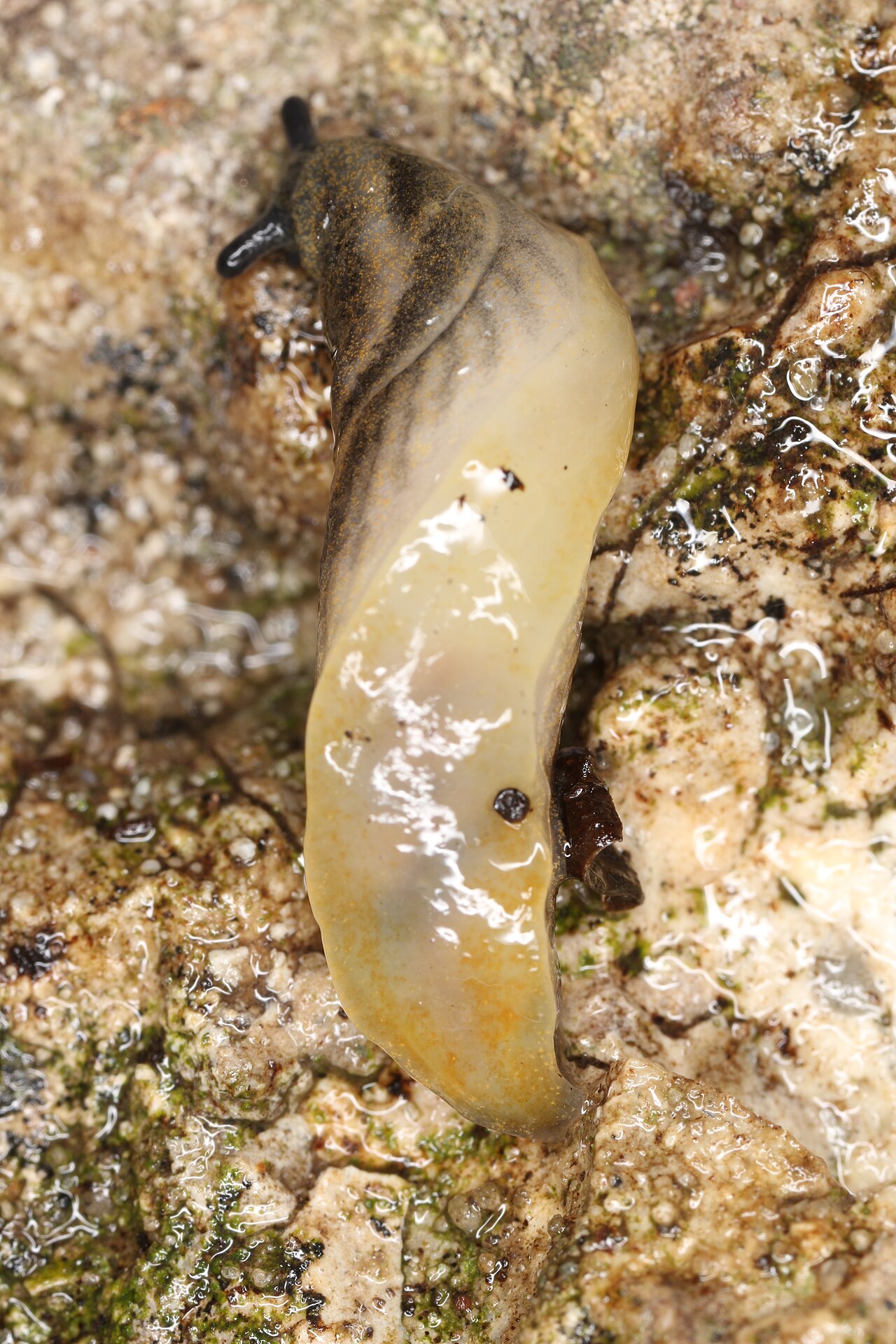
Eggshells and coffee grounds as a slug barrier
Tested directly. Slugs cross both without apparent difficulty.
The double fence for deer
A deer can jump high and it can jump far. It cannot do both at once — and that is the entire trick.

The floppy-top fence for groundhogs
A groundhog digs and it climbs. The fix for the climbing is to leave the top foot unattached — and it costs nothing.
Hardware cloth, not chicken wire
Chicken wire keeps chickens in. It does not keep anything out. This is the most expensive dollar ever saved on a homestead.

Two hot wires for raccoons
A raccoon climbs anything you can build, so stop building up. Sweet corn is a ten-day emergency, not a season-long one.

The quarter-inch rule
If a pencil fits through the gap, a mouse fits through the gap. Nearly all rodent-proofing is that one fact repeated.
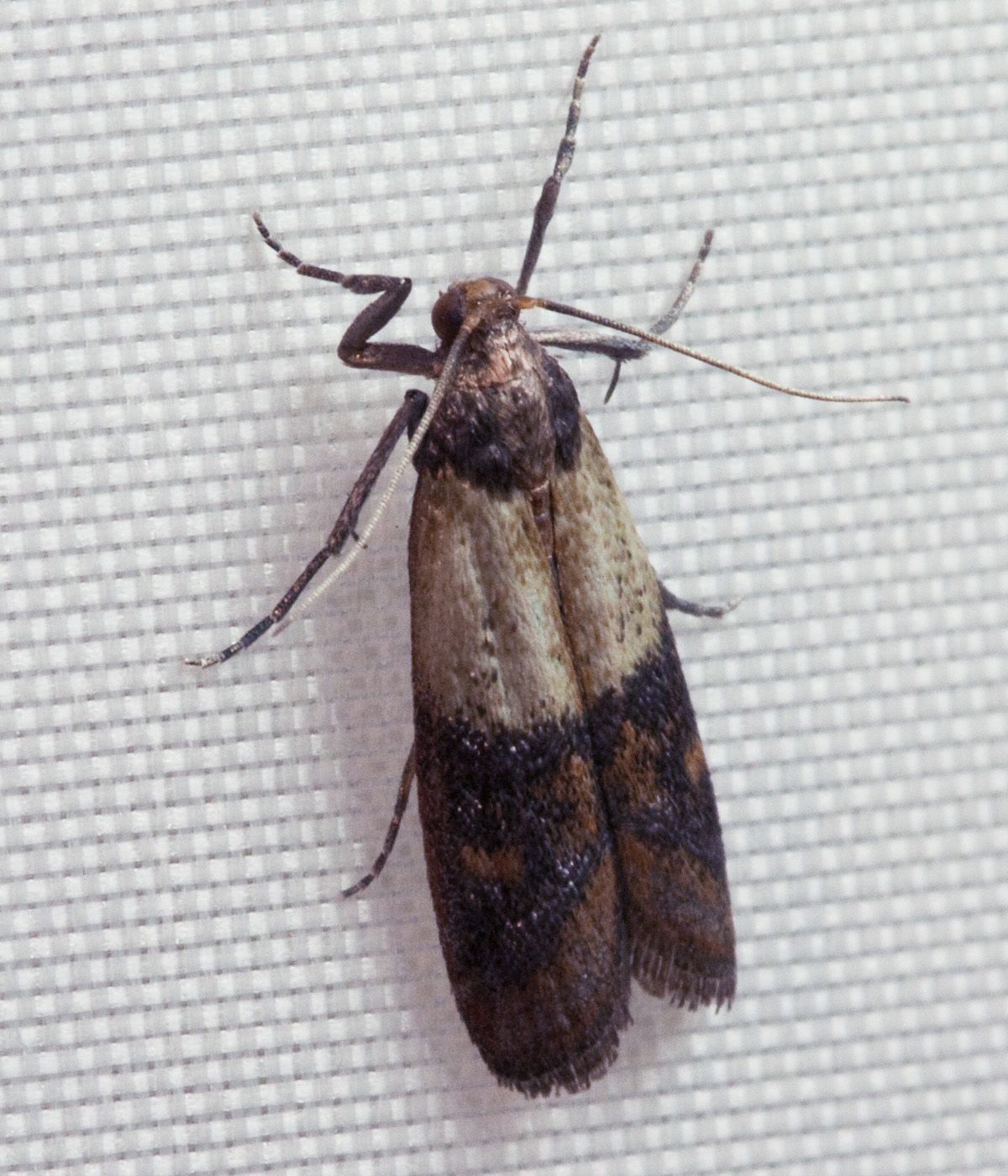
Freeze the flour
The pantry moths didn't fly in your window. They came home in a bag you carried through the door.
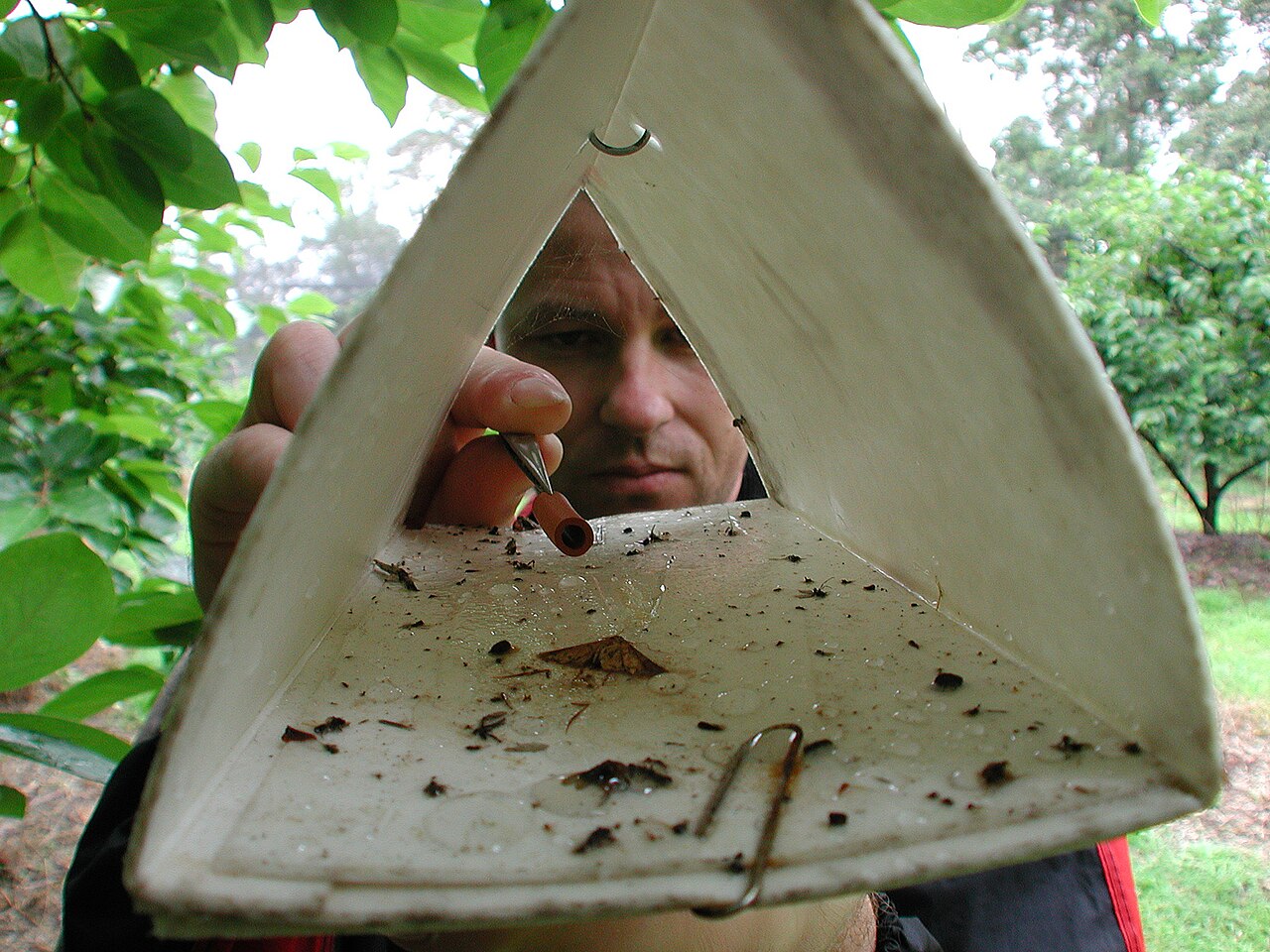
Pheromone traps for pantry moths
An excellent early-warning instrument that a great many people mistake for a cure.
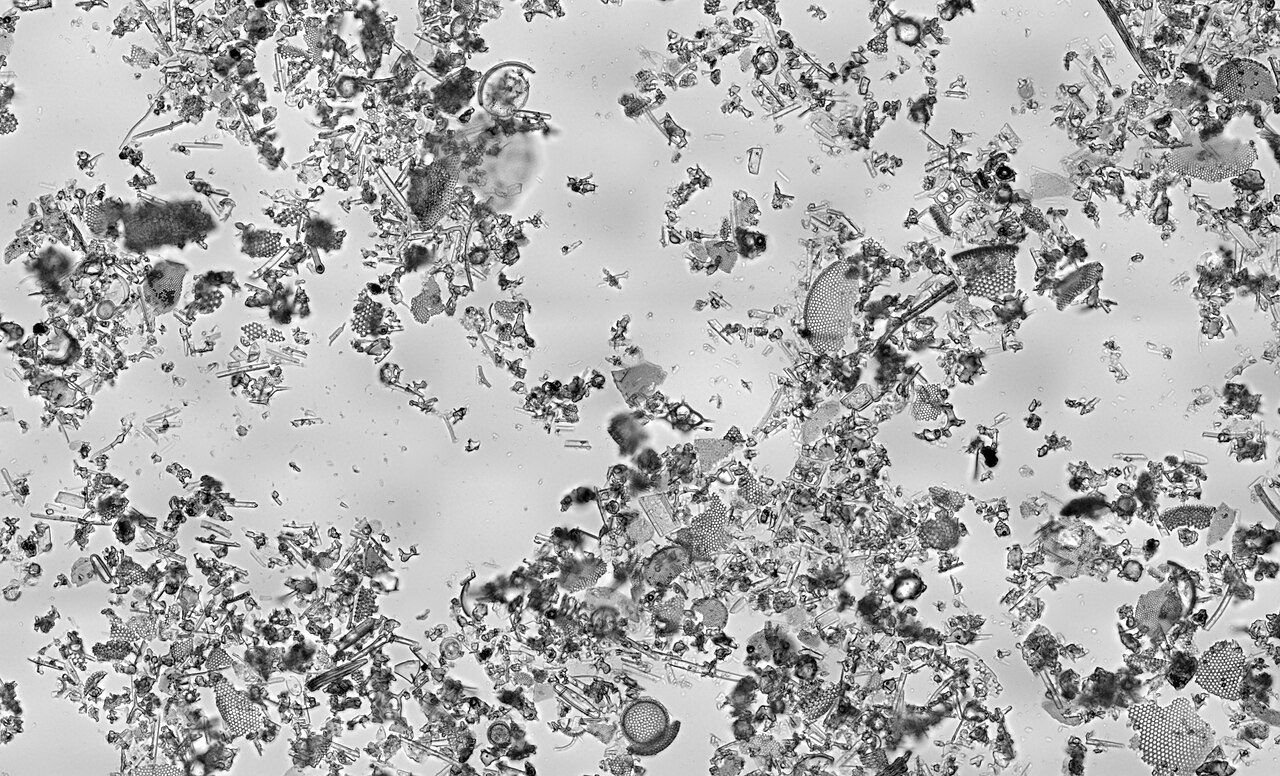
Diatomaceous earth
It genuinely works on insects — and the bag beside it in the same farm store can wreck your lungs.
Egg-based scent repellents for deer
These actually work. The catch is the word 'reapply', and it is the word everybody quits on in August.
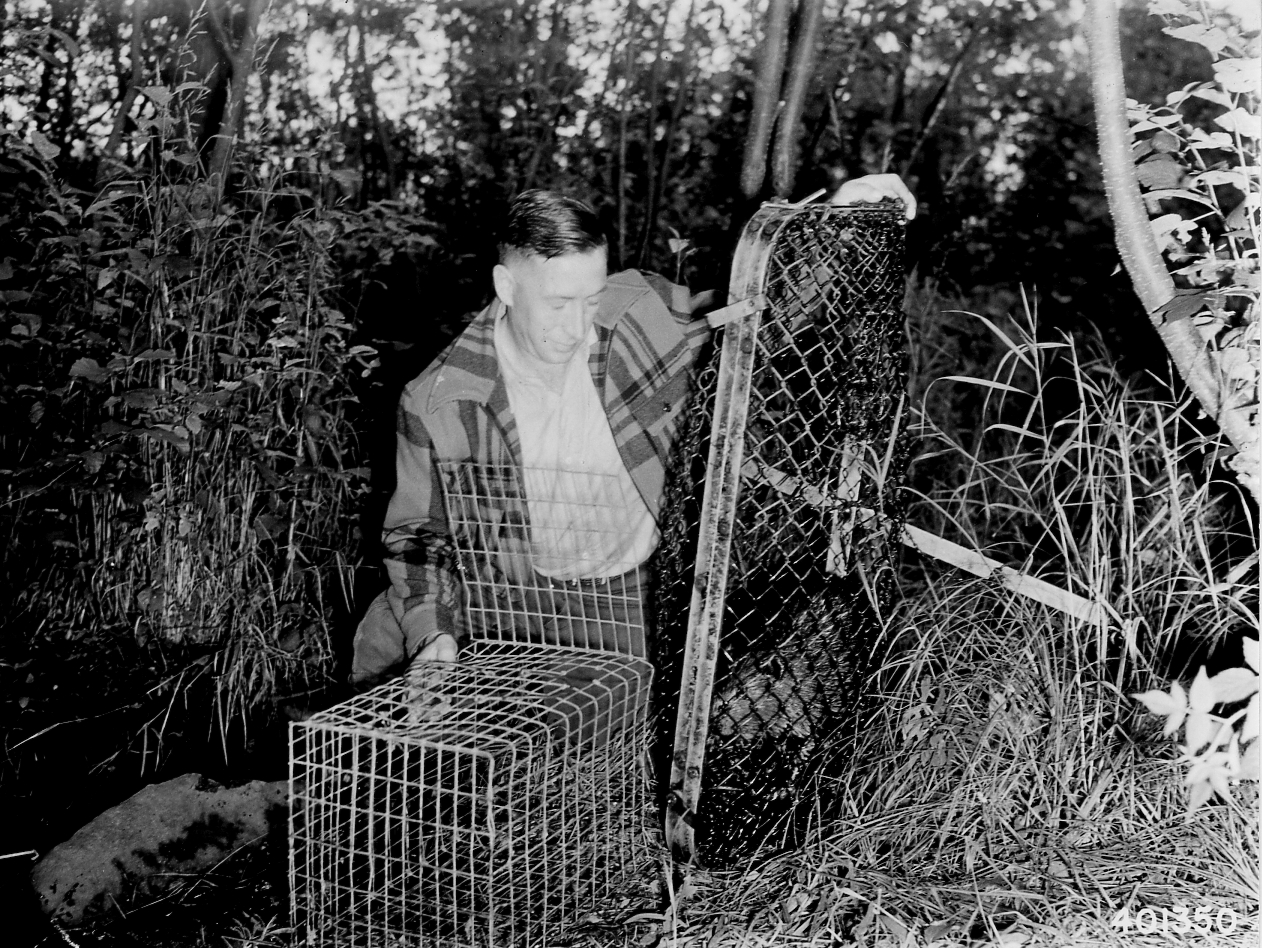
Live-trapping and relocating wildlife
It feels like the humane option. It is frequently against the law and it usually kills the animal anyway.

Anticoagulant rodent poison
You cannot run a barn owl box and a bait station on the same property. Pick one — and the owl is the better deal.
Poisoning moles for plant damage
Moles are insectivores. They do not eat your plants. The animal eating your plants is using the mole's tunnels.
Mothballs, soap and human hair as repellents
Folklore, with the added problem that one of them is an illegal pesticide application.
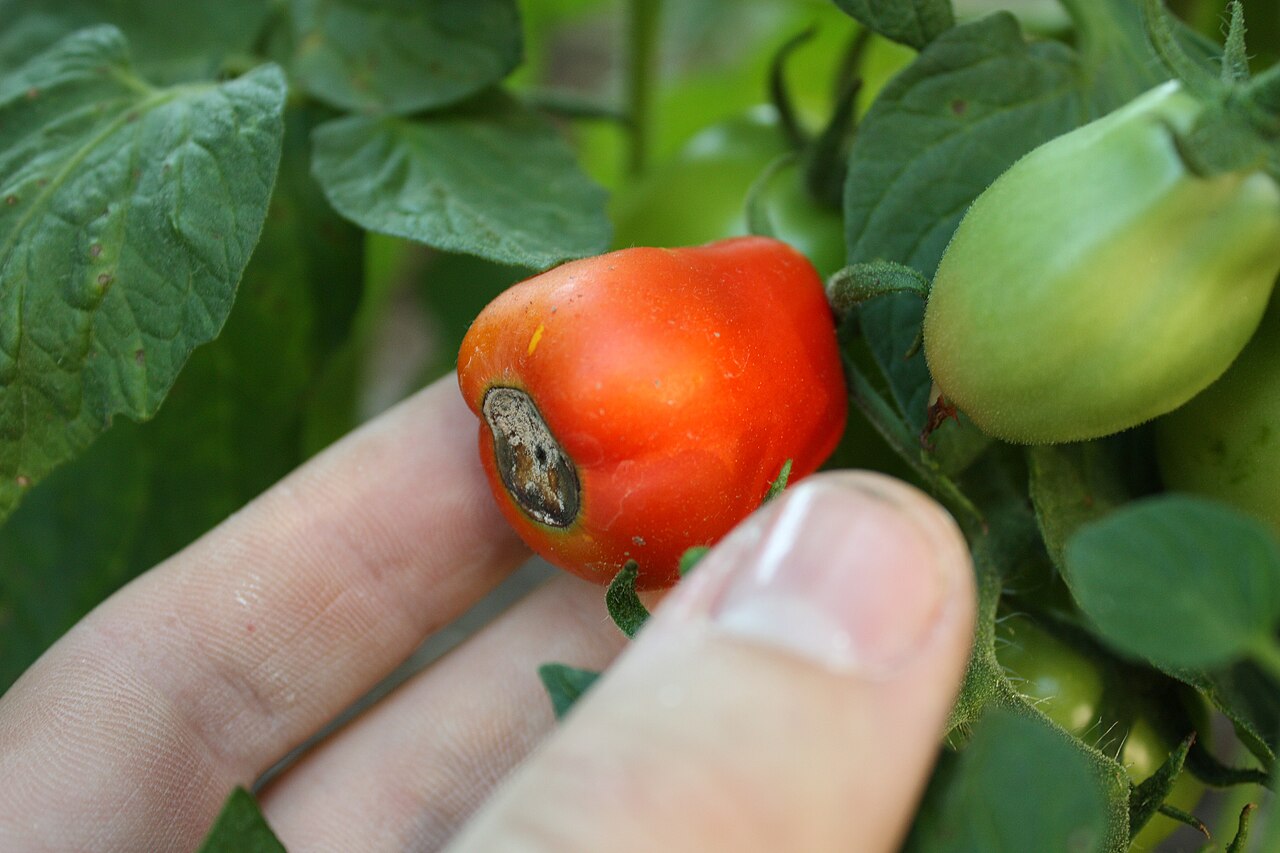
Epsom salt for tomatoes
Blossom end rot is a calcium delivery problem. Epsom salt is magnesium, and adding it competes with the calcium.
The old way wasn't unautomated. It just didn't need a password.
A hydraulic ram pump has two moving parts, needs no electricity, and has run on some properties for fifty years. A barn owl family takes a few thousand rodents a season and sends no invoice. A wax cylinder opens a greenhouse vent on the first warm Saturday in March whether or not anybody remembered.
Most of what gets called “smart” is a subscription wrapped around something simple. The entries here are graded on whether they actually hold up — and the ones that do are mostly the ones nobody can sell you.
This started as an appendix. It outgrew the book.
The Clever Korner began as the last appendix in the Autofarmation guide — a 54-chapter manual on automating a small farm with off-the-shelf parts and no cloud service anywhere in it. The appendix kept growing, so it moved out and got its own house. Everything here is free and always will be.
Autofarmation
The full guide: autosteer on a tractor that never had it, water from nothing, the garden, the stock, the cellar, the power, and the farm brain that runs it all on your own network. 54 chapters, 5 appendices, no subscriptions.
See the guideThe Automated Prepper
The same engineering, pointed at a different question: what keeps working when nothing else does. Security, watch, power, comms, and the stores to ride it out. In the works.
Coming soonBuilt one of these? That's how a grade changes.
A grade on this site is a current best read, not a verdict carved in stone. If you built something here and it worked better than we said — or failed in a way we didn't warn about — that's the most valuable thing anybody can send us. Field reports beat opinions every time.